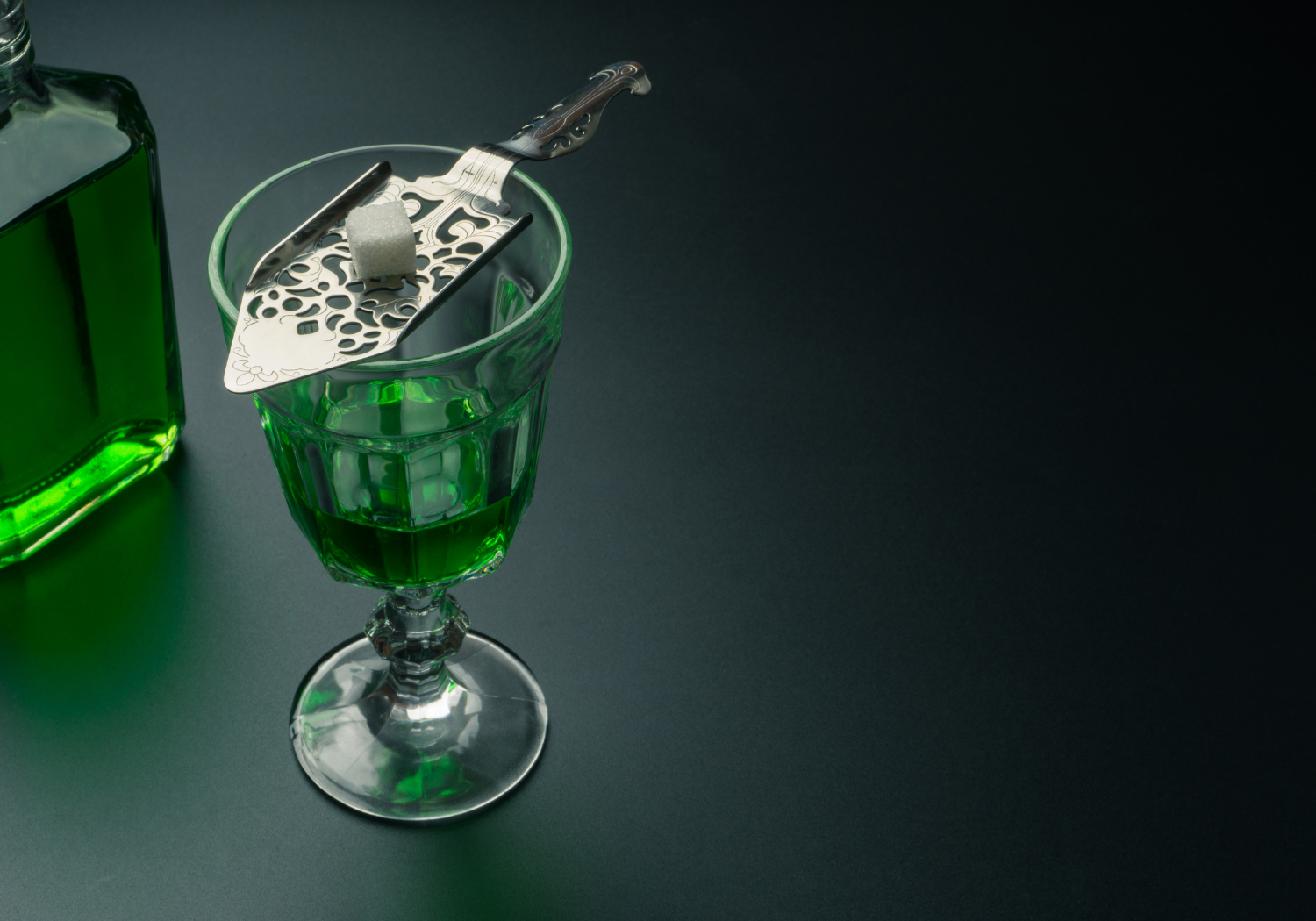
If you are British and old enough, you have probably drunk something called absinth. It arrived here in December 1998, when an importer noticed that Britain, unlike most of Europe, had never actually got round to banning the stuff. He brought in a Czech product called Hill’s Absinth, spelled without the final e, launched it at the Groucho Club, and the press went into a spin about a spirit with a reputation to rival class A drugs. Within eighteen months the market was flooded with crude, garishly coloured, extremely strong imitations from the Czech Republic, Spain, Italy, Poland and Hungary.
Here is the thing worth knowing: almost none of that was absinthe. Bohemian-style products had very little in common with the nineteenth century spirit, and connoisseurs have never regarded them as representative of it. The real version had survived somewhere else entirely, illegally, in a valley in the Swiss Jura, for ninety-five years.
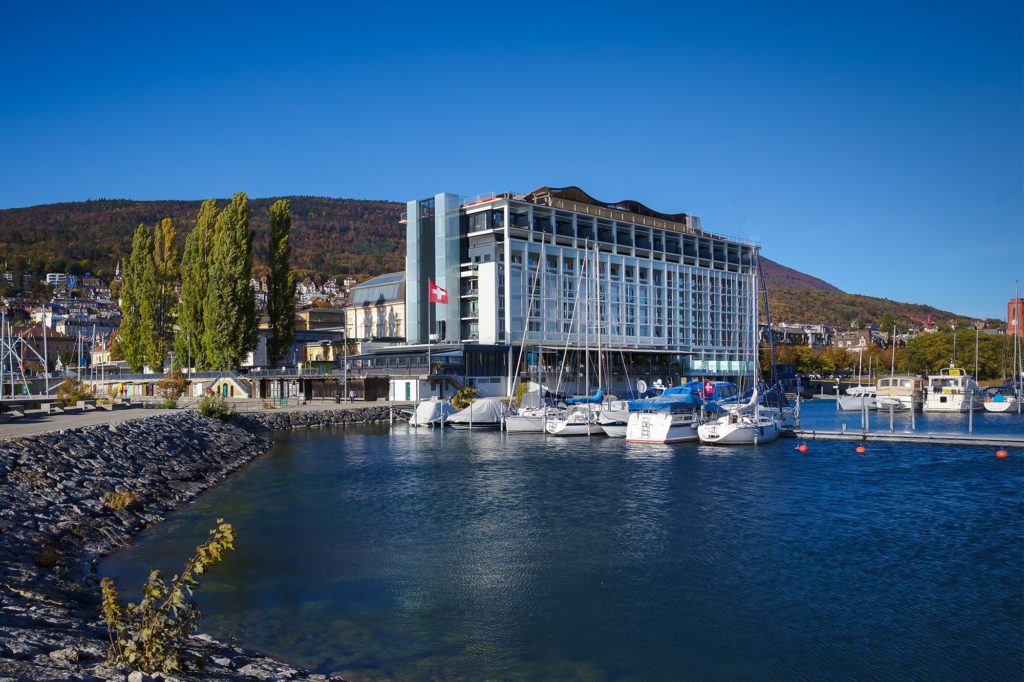
That valley is the Val-de-Travers, about forty minutes by train from Neuchâtel, and it is where absinthe was first distilled. Hôtel Beaulac sits on the lakeshore in Neuchâtel, a few minutes from the station.
Book your stay at beaulac.ch and keep half a day for the valley. It also happens to be the best thing in the region to do in the rain, which in autumn is not a minor consideration.
How a bitter plant became a criminal offence
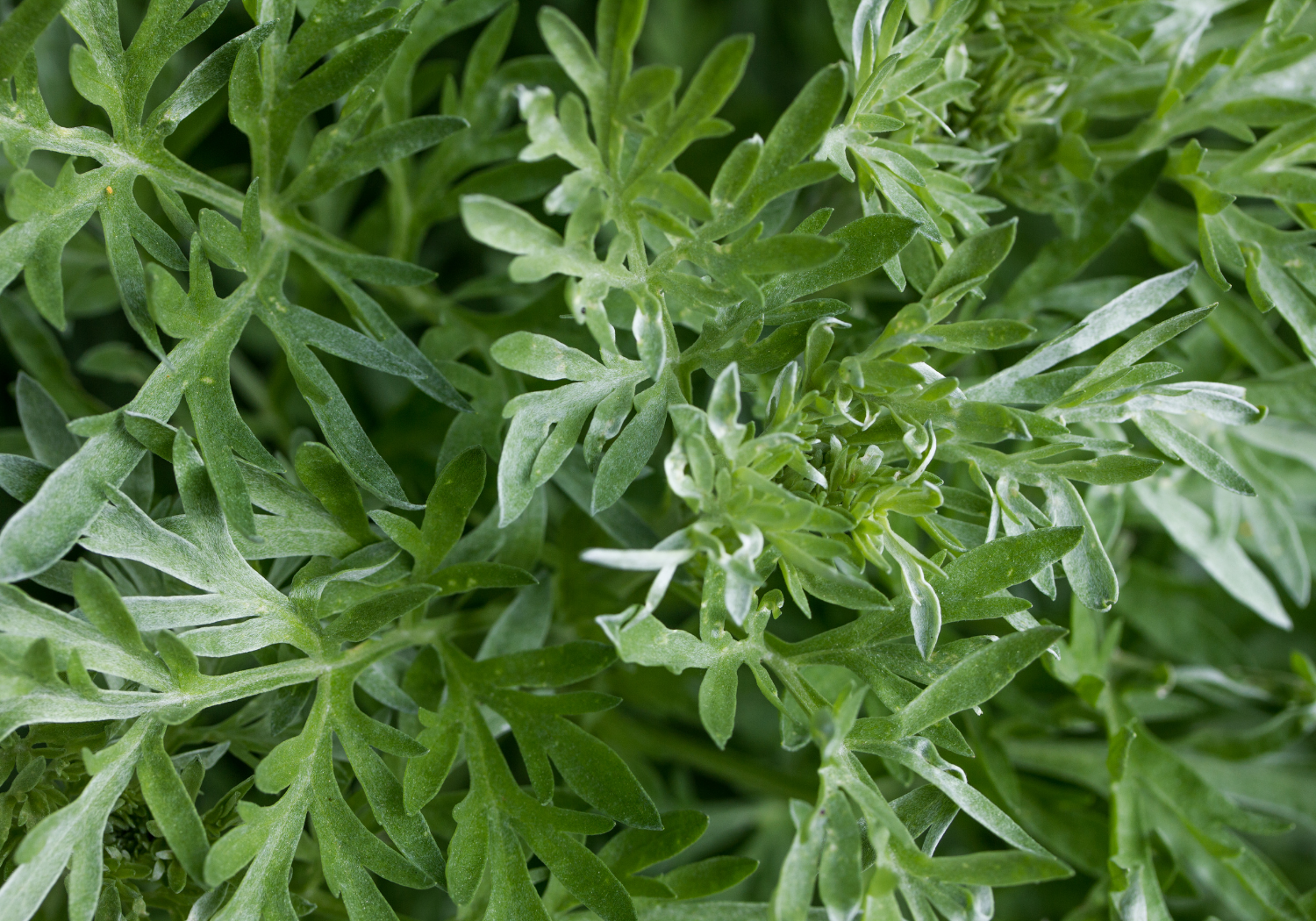
Tradition places the first distillation in 1792 at Couvet and credits a doctor named Pierre Ordinaire. The plant itself had been known for centuries as a medicine and for its pronounced bitterness.
The nineteenth century did the rest. Absinthe became the spirit of every social class, cheap, widely exported, bound up with cafés, painters and poets. That popularity destroyed it. Accused of causing severe poisoning and targeted by temperance movements, it absorbed a debate that was really about alcohol in general. The compound blamed was thujone, present in the plant in small quantities. Modern research has found no evidence that absinthe is any more dangerous than other spirits, and its supposed psychoactive effects beyond those of alcohol have been considerably exaggerated. The story that Van Gogh cut off his ear under its influence is simply untrue.
None of that helped at the time. Belgium banned it in 1905, Switzerland and the Netherlands in 1910, the United States in 1912, France in 1914. In Switzerland the mechanism was unusual: the people voted for prohibition in a referendum in July 1908, and the ban was written into the federal constitution before coming into force at midnight on 7 October 1910.
What happened next is the interesting part. Prohibition did not end production, it relocated it. In the Val-de-Travers, distilling became a quiet form of resistance passed down through families, with guarded recipes, informal distribution and the occasional court case. The drink acquired a code name, la bleue, the blue one, after its milky colour once diluted. One detail sums up the whole period: Boveresse ran an absinthe festival for decades at which, officially, nobody drank any absinthe.
Legality returned on 1 March 2005. Claude-Alain Bugnon, at Couvet, was the first former clandestine distiller to be granted a licence to produce openly.
The Maison de l'Absinthe, in the old courthouse
Start here, in Môtiers, on the Grande Rue. It opened in 2014 and occupies the former district courthouse of the Val-de-Travers, which is to say the building in which illegal producers were convicted. That is not set dressing but the original structure, and one room of the tour is given over to the judge’s office.
The exhibition runs across three floors and covers the full history, from the earliest references to the plant as a remedy through to 2005. You pass through a room fitted out as a Belle Époque bar, another on global export, another on the scandals and campaigns that led to prohibition, with an installation inviting you to vote as the Swiss did in 1908. One floor deals with the clandestine years, another with the chemistry and physics of the drink, particularly the clouding that occurs on dilution.
The bar pours between twenty-five and thirty different absinthes, comfortably the widest choice in the region and the only chance you will get to compare producers side by side. Tours are given in English.
Allow an hour and a half to two hours for the visit and the tasting.
Meeting the distillers
This is what separates the valley from a museum. Several distillers receive visitors at their premises, mostly small artisan operations, and what you get is a conversation with the producer rather than a scripted tour.
Addresses in the valley include Distillerie Artemisia at Couvet, Blackmint at Môtiers, Distillerie Persoz at Couvet, and Pierre-André Stauffer, also at Couvet, whose premises additionally house a small glassblowing museum. Most work by appointment, including for one or two people, and several operate in English. A phone call or email a few days ahead is enough. The Maison de l’Absinthe handles introductions and will point you towards whichever producer suits what you want to see.
The second stop not to skip is the absinthe drying house at Boveresse. Built in 1893 by the Barrelet brothers and listed as a historic monument in 1998, it is one of the last surviving buildings of its kind in the valley. These large timber structures were used to dry the plants before distillation, and they once stood throughout the region. It is open to visit during opening hours, managed by the Val-de-Travers regional museum. The architecture alone justifies the detour.
Finally, the Absinthe Route has existed since 2007, linking the Val-de-Travers with Pontarlier on the French side. This cross-border itinerary takes in distilleries, museums, absinthe fields and former smuggling sites. Its Swiss starting point is Noiraigue, which makes it easy to combine with a walk to the Creux du Van, whose return path passes the Fontaine Froide, a spring with a certain standing among drinkers of la bleue.
How to drink it properly
A word on the ritual, because it matters and it is usually done wrong.
Depending on the producer, absinthe runs between forty-five and seventy-five per cent alcohol. It is never drunk neat. You pour a measure into the glass, then add very cold water slowly, generally three to five parts water to one part absinthe. The liquid clouds and turns from clear to milky white. This is the louche, and it happens because the essential oils are no longer soluble once the alcohol is diluted. The slow pour is part of the pleasure, which is precisely why absinthe fountains with their dripping taps exist.
On sugar, local practice differs from what you may have seen. The slotted spoon and sugar cube belong mainly to the French tradition. In the Val-de-Travers, la bleue is generally drunk without sugar, and the producers are firm about it. Try it without first, then decide.
And whatever you may have read in a lifestyle magazine in 1999, it will not make you hallucinate. It will make you drunk, quickly, at those strengths. Two or three tastings is plenty for a visit, which is another argument for the train.
Getting there, and why it is the right plan in bad weather
The Val-de-Travers is reached by train from Neuchâtel. Allow just under forty minutes to Môtiers, with a change at Travers depending on the timetable. Couvet and Boveresse are on the same axis, minutes apart, so two or three stops fit comfortably into half a day without a car.
Two schemes reduce the cost. The Neuchâtel Tourist Card is issued free to anyone spending at least one night in an establishment in the canton and covers public transport. The Pass’Temps Val-de-Travers additionally includes the trains and buses of the valley and surrounding area as far as Neuchâtel. Ask for both at reception on arrival.
As for timing, this is where the trip earns its place. The region’s three other autumn attractions, the Creux du Van, the vineyards and the cloud inversion, all depend on the weather. The Val-de-Travers does not. It is an indoor day, warm and narrative, and it works exactly as well in the rain. Keep it in reserve for the morning when the fog ceiling is too high.
If you are visiting in June rather than autumn, note Absinthe en fête, which replaced the old Boveresse festival in 2018. The format is open distilleries across a single day, including the Maison de l’Absinthe and the Boveresse drying house, with guided tours in small groups.
A valley, a story, an evening by the lake
The Val-de-Travers is not an obvious destination and does not try to be. It is an industrial and agricultural Jura valley, slightly austere, which has held on to a story nobody else in Switzerland can tell. You come back with something more interesting than a photograph, and with a bottle of the real thing rather than the green liquid you remember from a bar twenty-five years ago.
Hôtel Beaulac is the practical base for that sort of day. You are on the water, minutes from the station, with the transport card issued on arrival and a table facing the lake for the evening. You leave after breakfast, cross ninety-five years of prohibition, and come back to dinner overlooking the water.
Book your autumn stay at beaulac.ch and set aside a morning for the valley.