Winter in Switzerland arrives with a fairly expensive set of assumptions attached. You need a resort, a lift pass, several hundred francs of kit, and ideally the ability to ski, which takes years and a certain tolerance for being bad at something in public. Plenty of people quietly decide the whole business is not for them and spend the winter indoors. There is a straightforward alternative, and it starts twenty minutes above Lake Neuchâtel.
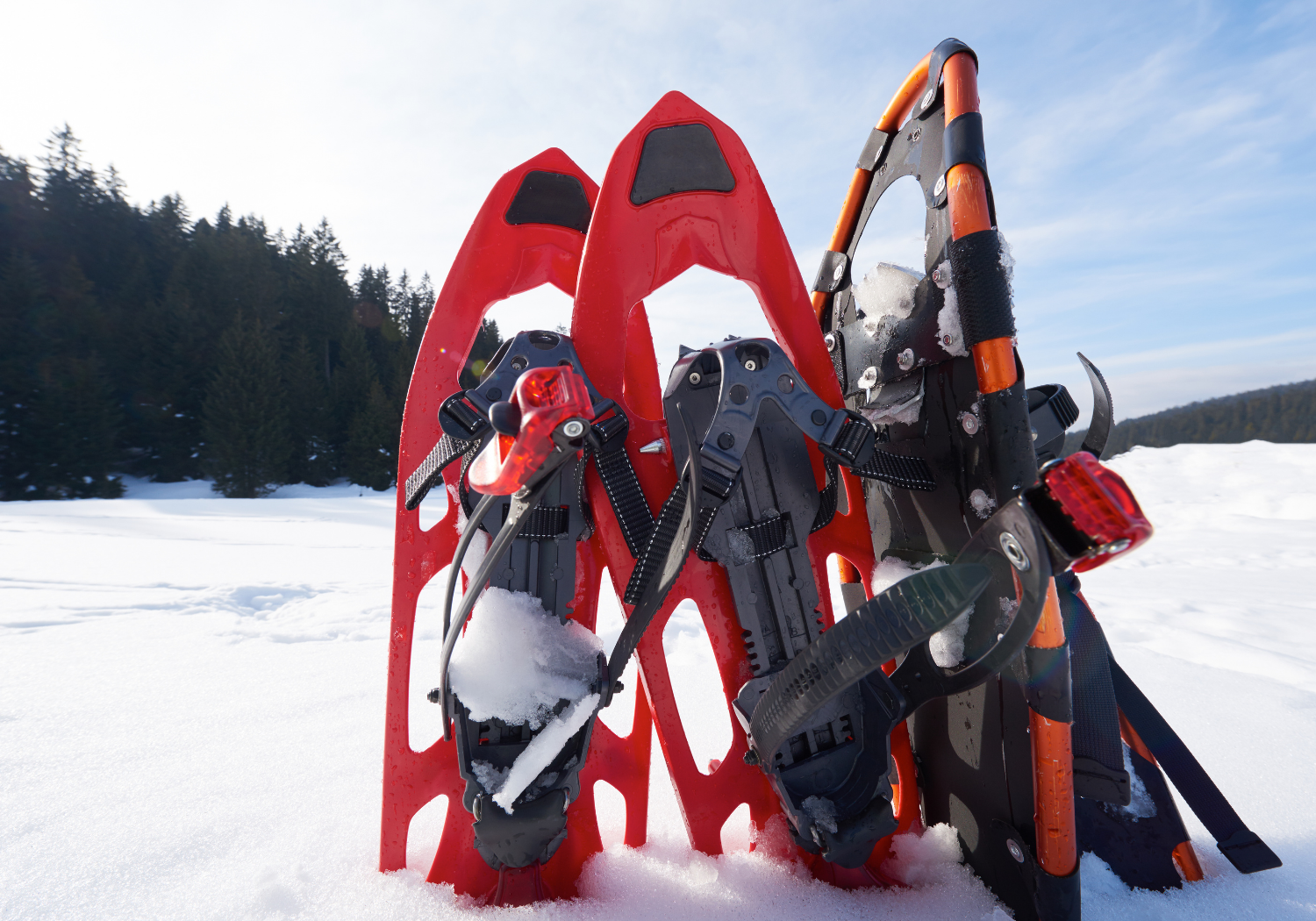
Snowshoeing in the Neuchâtel Jura requires no pass, no lesson and no equipment you cannot hire on arrival, and it is reached by public bus. For a weekend of it, Hôtel Beaulac makes an obvious base, and the reception desk will help on +41 32 723 11 11.
The other mountain range
Almost every visitor to Switzerland knows the Alps. Very few have heard of the Jura, which is a curious oversight given that it runs the length of the country’s western border with France and has done rather longer than anyone has been skiing.
It is a gentler range: limestone ridges, dark fir forest, open pasture, and summits measured in hundreds rather than thousands of metres above the valley floor. Nothing here requires mountaineering. What it does have, from roughly late December to early March, is snow, silence, and a view south across the entire Alpine chain on a clear day, which is arguably the best way to see the Alps at all.
It also has a serious cold-weather reputation. The village of La Brévine, at 1,043 metres, is known across Switzerland as the country’s cold pole. Temperatures around minus thirty are unremarkable there, and on 12 January 1987 the local station recorded minus 41.8 degrees, the lowest figure ever measured at an official Swiss weather station. That reputation has made the Brévine valley one of the country’s genuine cross-country skiing heartlands.
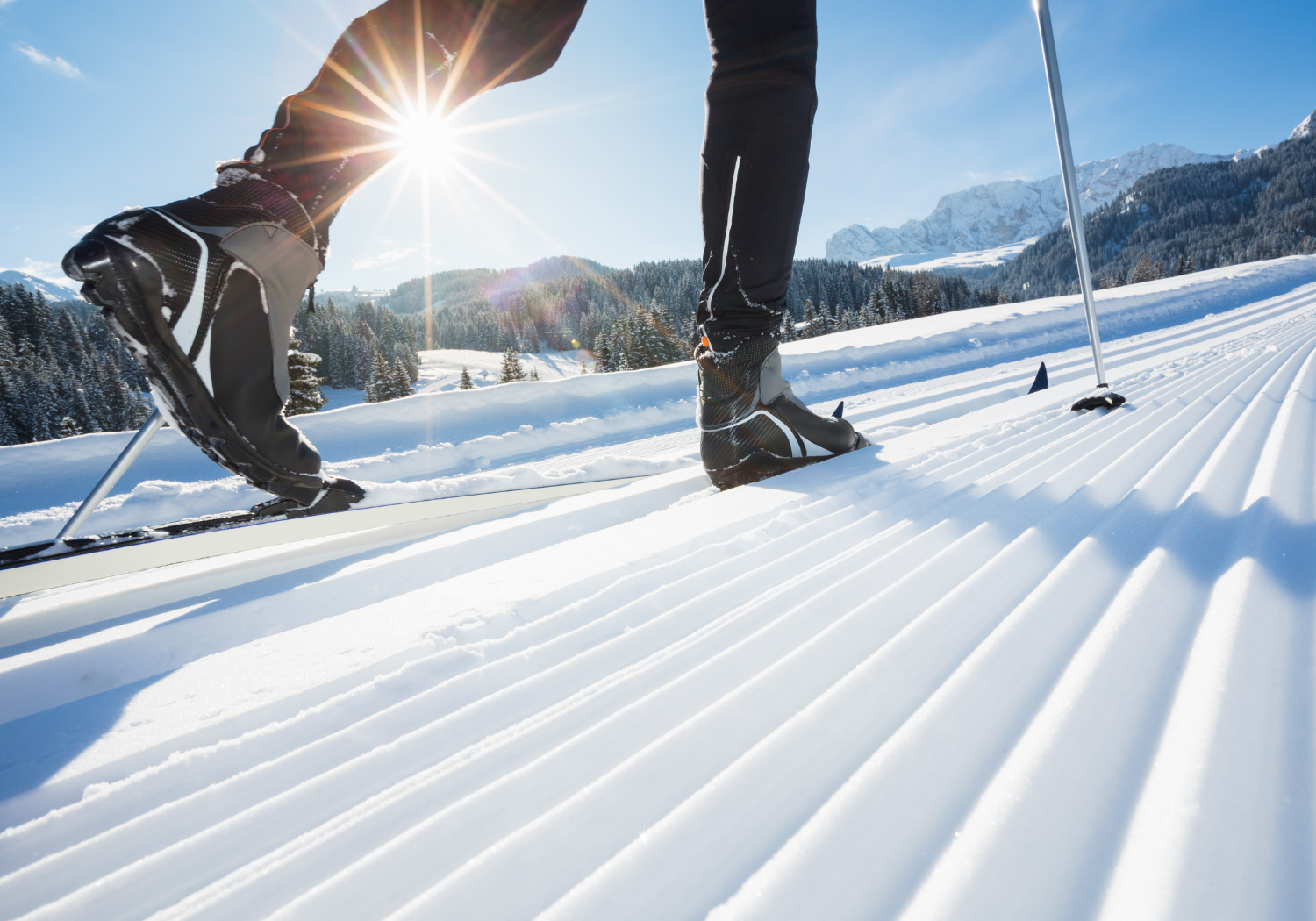
Why you do not need a resort
The economics are worth spelling out. Staying up in a ski resort between Christmas and the end of February means paying peak rates, eating wherever the resort has open, and remaining where you were all day.
Staying at lake level, 430 metres up, inverts all of it. Rooms cost a fraction of the resort equivalent, Neuchâtel has restaurants open on a Sunday evening, and the snow is a short bus ride above you. You go up in the morning and come down in the late afternoon. No snow chains, no icy pass road, no anxiety about getting away again on Monday.
There is a second argument that only makes sense once you have seen it. Low winter cloud settles over the Swiss plateau for days at a time, and it stops at the Jura ridges. On the mornings when Neuchâtel disappears into grey, the tops are in full sun. Going up on those days is less a sporting decision than a medical one.
Three winter buses that make it work without a car
This is the part most guides omit, and it is what makes the region genuinely car-free.
The Snowbus leaves from Place Pury in the centre of Neuchâtel, a few minutes’ walk from the waterfront, calls at the station, and climbs via Savagnier and Villiers to Les Bugnenets-Savagnières and the Maison Chasseral. A return costs a flat 7 francs, and Onde Verte, half-fare and GA travelcards are all accepted. It runs in winter only, and only when the lifts at Les Bugnenets-Savagnières are turning.
The Nordic’BUS, line 426, serves the other main area. From Neuchâtel you take the train to Les Hauts-Geneveys, from where the bus reaches La Vue des Alpes in under a quarter of an hour and continues to Tête de Ran, calling at Les Gollières, Les Loges and Crêt-Meuron. It runs on Saturdays, Sundays, public holidays and school holiday days from late December to early March, and crucially it runs whatever the snow is doing, which removes the guesswork. The special ticket costs 6 francs return, 4 francs single.
In the Val-de-Travers, Bus des neiges services link Couvet with the Creux du Van area and Les Verrières with Les Cernets, in both cases stopping close to the cross-country trails. Winter timetables are at https://www.transn.ch
Where to put your snowshoes on
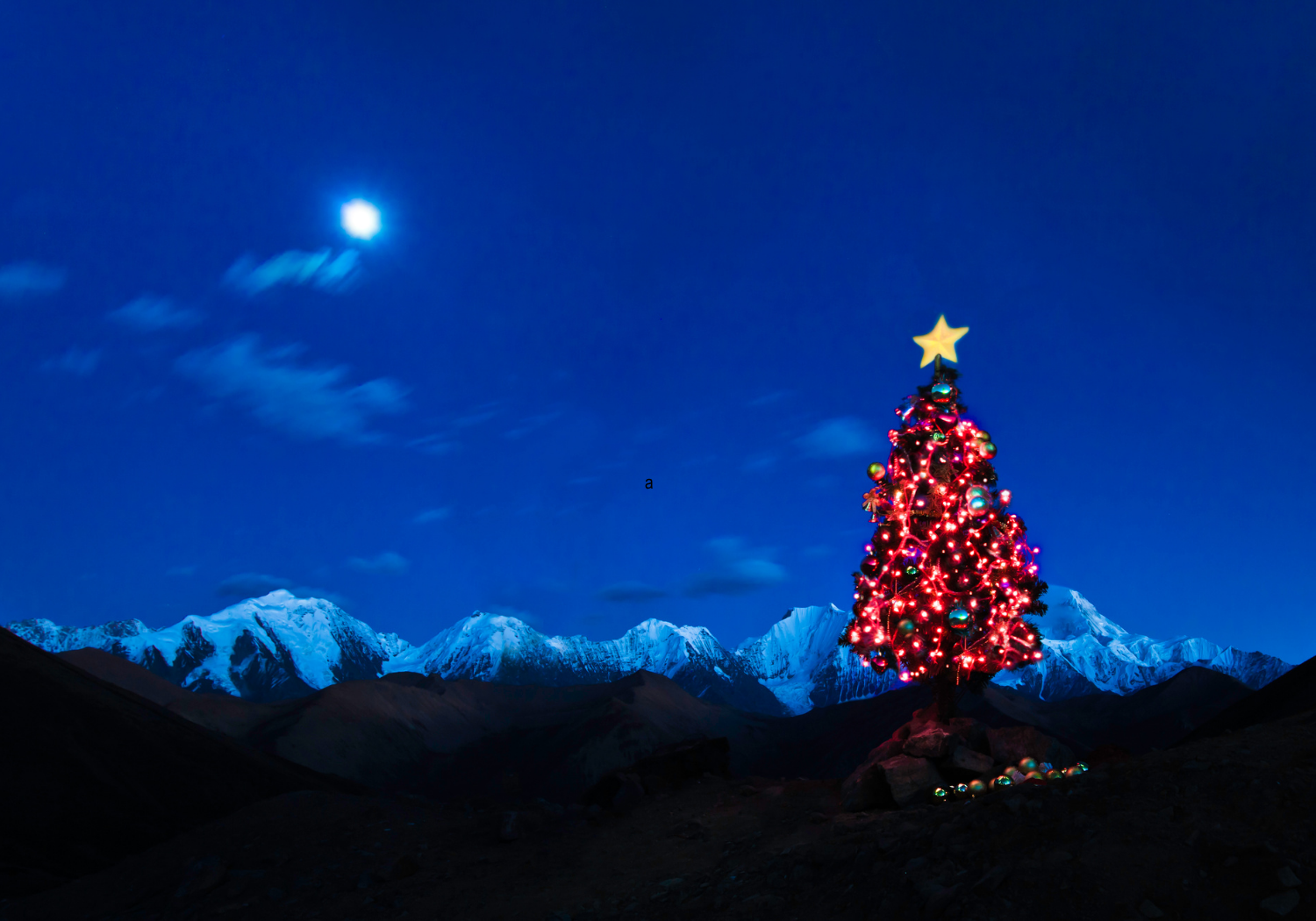
The ridge route between La Vue des Alpes and Tête de Ran is the best known and the most forgiving. It threads between snow-laden firs, opens south towards the Alps and north towards La Chaux-de-Fonds, and can be walked by day or by night. A full-moon outing on that ridge is one of very few winter walks you can consider without specialist equipment.
At Les Bugnenets-Savagnières, the route from La Clochette to the Bec-à-l’Oiseau gives an uninterrupted view of the Alpine chain, and it is the better choice on a windy day since it runs partly sheltered.
Higher up, Chasseral reaches 1,607 metres and becomes a broad snowshoe and nordic area in winter. The reward is considerable and so is the exposure: gusts on the summit ridge can be severe, and a day with a wind warning is a day for somewhere else.
One caution about the Creux du Van, which many visitors know from an autumn walk. The rock amphitheatre is passable on snowshoes and looks extraordinary in winter, but the cliff edge is dangerous under snow, with cornices and poor visibility. Check the avalanche bulletin at https://www.slf.ch before setting off, and save that particular route for a day of settled conditions.
Hiring kit and coming back down
There is no reason to travel with equipment. The tourist point at La Vue des Alpes hires out snowshoes and both classic and skating cross-country skis. The Maison Chasseral at Les Savagnières adds downhill, touring and telemark skis. In Peseux, Défi Montagne hires snowshoes and technical kit by prior arrangement, and Ochsner Sport at La Maladière covers you in Neuchâtel itself. An overview of the region’s nordic centres is at https://www.j3l.ch
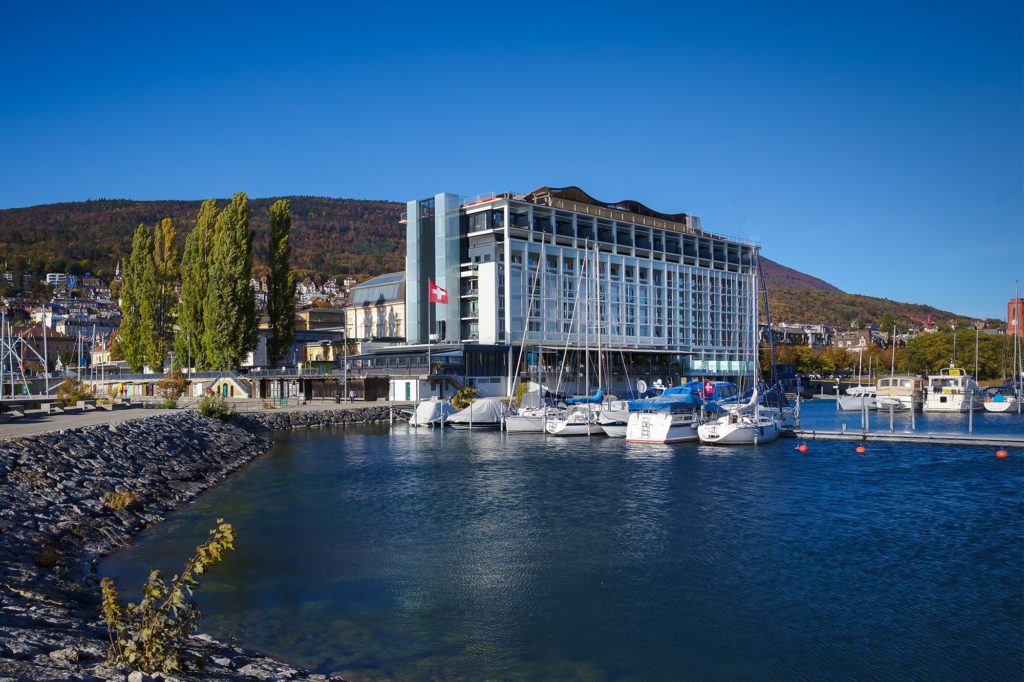
The rest is settled at lake level. Hôtel Beaulac sits directly on the quays, minutes from Place Pury where the Snowbus departs and from the station for connections towards Les Hauts-Geneveys. Most rooms look out over the lake and the Alps, the Lake Side restaurant is in the building, and the Waves rooftop bar on the seventh floor is there for anyone who has been walking all day. Guests staying overnight in the canton receive the Neuchâtel Tourist Card for public transport across the canton; whether the special-tariff winter lines are included is worth a quick question at reception.
Book your snowshoeing weekend at Hôtel Beaulac on +41 32 723 11 11 or at https://beaulac.ch, and keep the mountains where they belong, in the daytime.