There are wines that tell the story of an entire region on their own. Œil-de-Perdrix is one of them. This delicate rosé, with its pale, luminous hue, is the most emblematic ambassador of the Neuchâtel vineyard, so much so that one in three bottles produced in the canton bears its name. And yet many people drink it without knowing its history, its terroir of origin, or what sets it apart from the countless rosés that have since borrowed its name.
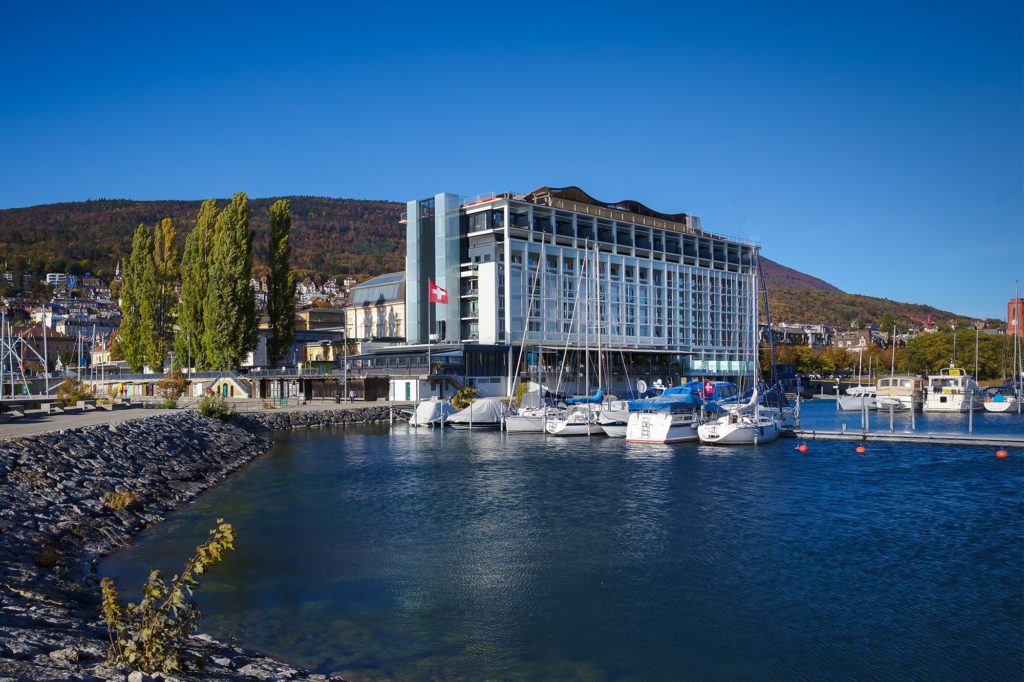
If you want to understand, and above all taste, the real Œil-de-Perdrix from Neuchâtel, there’s no better place to do so than where it was born: by the lake, among the vines that tumble down towards the water, and the cellars that have been making it for more than a century and a half. Hôtel Beaulac, set right on the lakeshore and just minutes from the first wine villages, is the ideal starting point for this discovery. Book your stay at beaulac.ch and set off to meet the original.
What exactly is Œil-de-Perdrix?
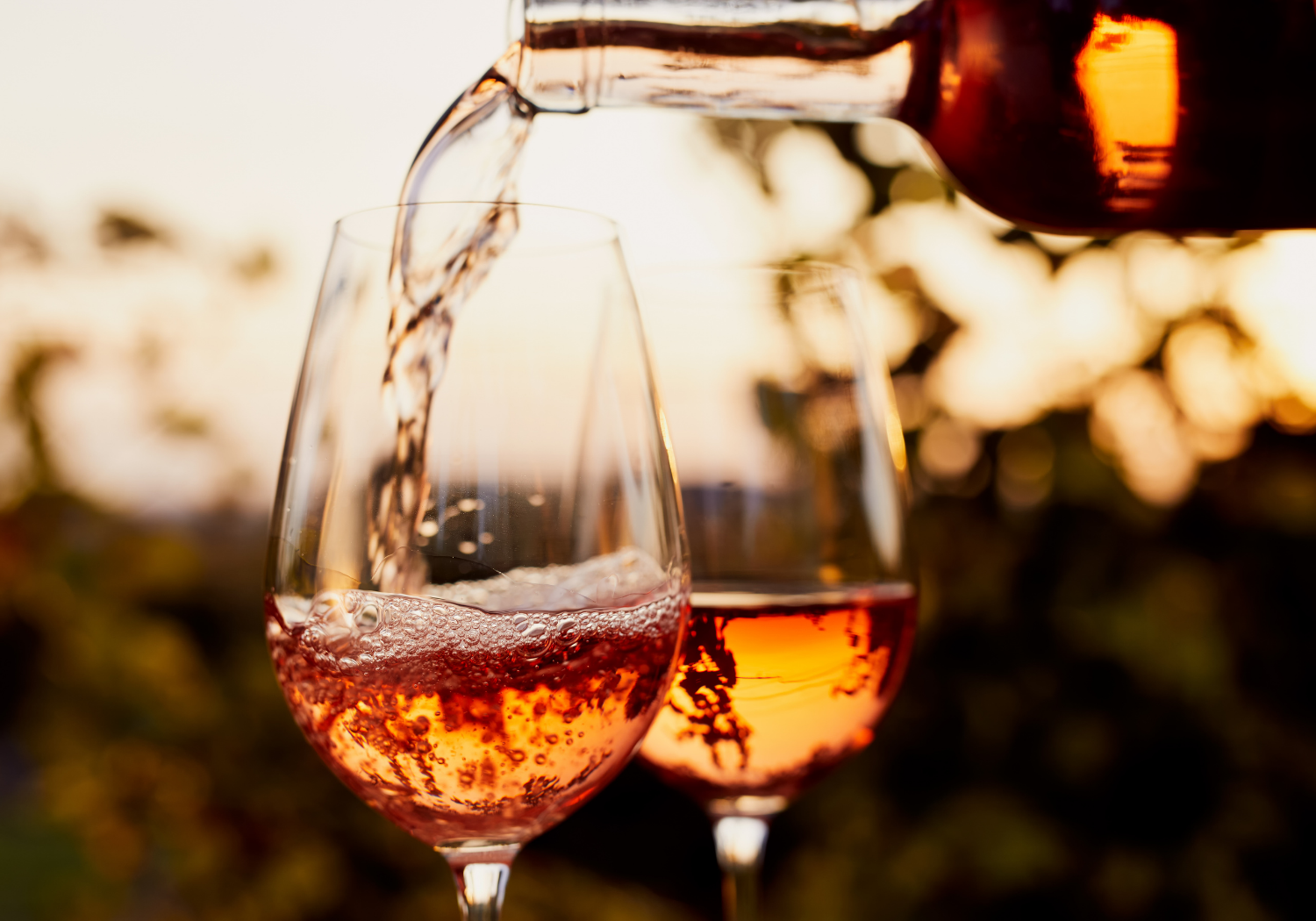
Let’s begin by clearing up a common misunderstanding. Œil-de-Perdrix isn’t a grape variety, but a style of wine: a rosé made exclusively from Pinot Noir, lightly macerated. Its pale colour, somewhere between soft pink and light salmon, doesn’t come from a blend but from a particular method of vinification: the grape skins macerate for only a few hours, just long enough to tint the juice delicately before it’s pressed. The result is a clear, fine and fresh wine, a world away from the deeper-coloured, fuller-bodied rosés.
Its evocative name refers to its tint, said to recall the colour of a partridge’s eye. The exact origin of this poetic image remains a matter of debate, but it has endured through the centuries, and today, for the people of Neuchâtel, Œil-de-Perdrix isn’t a colour: it’s a wine, their wine.
What makes it so precious is also its demanding nature. The Neuchâtel vineyard has some of the lowest yields in Switzerland, which concentrates the aromas and ensures consistent quality. The temperate climate and the chalky soils, poor in humus and rich in minerals, give the local Pinot Noir a particular finesse that Œil-de-Perdrix expresses with elegance.
A history born by the lake
Œil-de-Perdrix is deeply rooted in the history of Neuchâtel, and that’s what earns it the title of “the Original”. The first known written trace of the name dates back to 1861: a label from the Louis Bovet estate, a winemaker in Areuse, just near Boudry. But the reputation of the region’s wines is far older. As early as the 18th century, Count d’Escherny wrote to his friend Jean-Jacques Rousseau that the wines of Cortaillod, in good years, were the equal of the finest Burgundies. Quite a claim.
The success of this rosé had an unexpected consequence: it was copied. As early as the end of the Second World War, other Swiss wine regions adopted the method and the name, so that today you’ll find an Œil-de-Perdrix in several cantons. Unable to reserve the appellation for themselves, the Neuchâtel winemakers instead protected a more recent and equally remarkable speciality: the Perdrix Blanche, a blanc de Pinot Noir of great delicacy, well worth trying if you come across it.
Even so, Œil-de-Perdrix from Neuchâtel remains the benchmark, the original on its home terroir. Pinot Noir now covers more than half of the canton’s roughly 600 hectares of vineyard, and most of it goes into making this emblematic rosé. One in three bottles produced in the canton is an Œil-de-Perdrix: it’s fair to say it runs in the region’s veins.
How to taste it, and what to pair it with
Œil-de-Perdrix is best enjoyed young and chilled, ideally at around 8 to 10 degrees. In the glass, it reveals a pale, bright colour, then a delicate nose of red berries, strawberry, raspberry, sometimes cherry. On the palate, it’s lively, dry and elegantly fresh, with that mineral note typical of Neuchâtel terroirs and a texture surprisingly silky for such a light rosé.
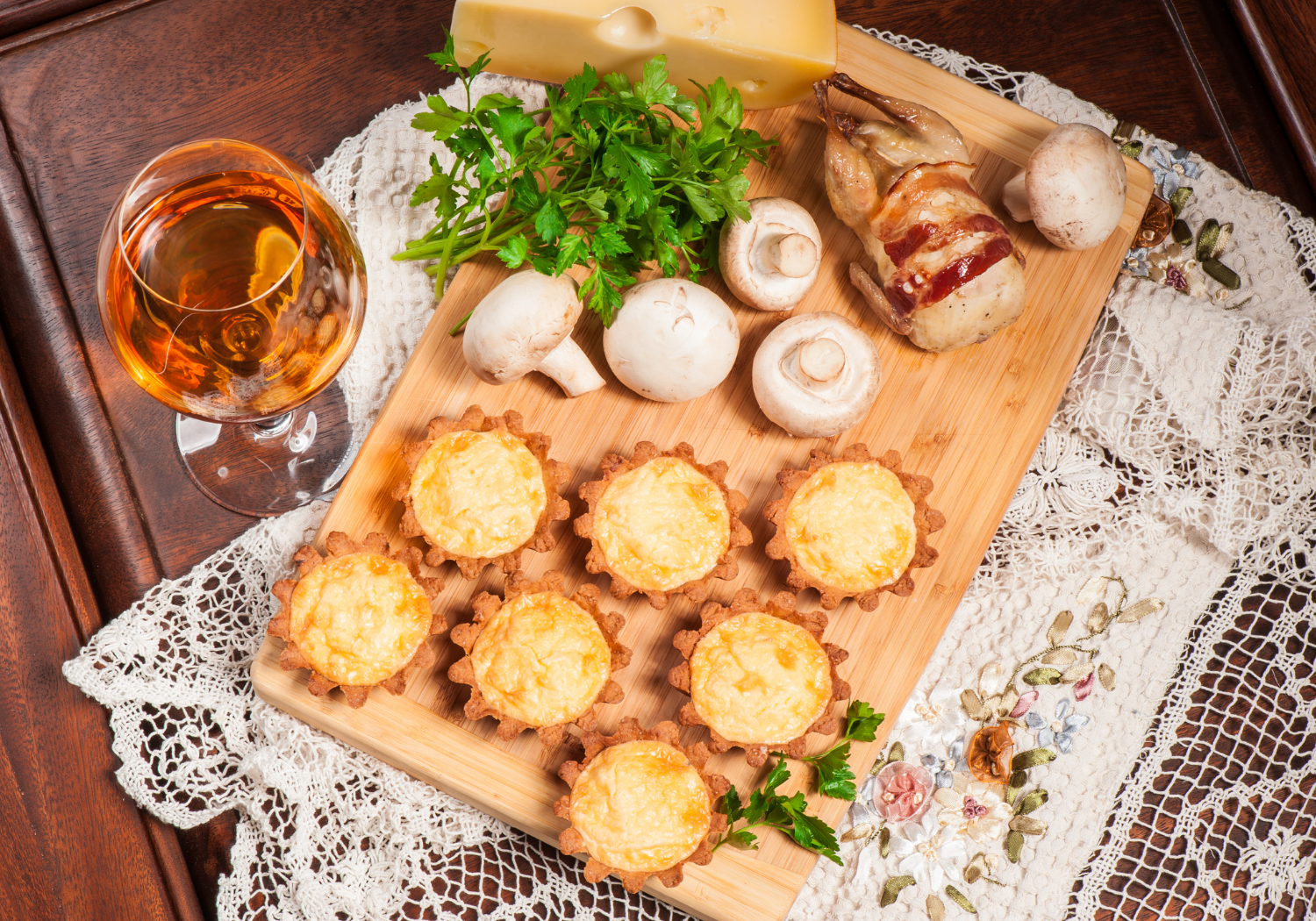
It’s precisely this finesse that makes it so versatile at the table. It shines as an apéritif on a sunny terrace, but it also pairs remarkably well with the cuisine of the lake and the region. Perch fillets, Neuchâtel’s essential speciality, suit it beautifully. It goes just as well with a board of local charcuterie, a tartare, grilled fish or light summer cooking. It’s the perfect companion to a lunch or dinner by the water.
At the Lake Side restaurant of Hôtel Beaulac, as on the Waves rooftop at sunset, a glass of Œil-de-Perdrix facing the lake sums up the Neuchâtel way of life all on its own: a local wine, a view over the water, and time slowing down. It’s surely the loveliest way to discover it, right where it was born.
Where to discover Œil-de-Perdrix in Neuchâtel
To go to the source, nothing beats a visit to the wine villages along the lake, all less than a quarter of an hour from the centre. Auvernier, Cortaillod (the historic cradle of the wine) and Boudry are home to several estates that welcome visitors for tastings. The Chemin du Vignoble, which links these villages on foot along the hillside, is the loveliest way to combine a walk with a wine discovery, especially in late summer and autumn, at harvest time.
For those who want to delve deeper, the Museum of Vine and Wine, housed in the Château de Boudry, tells the story of the vineyard and its specialities. And throughout the year, the umbrella body for Neuchâtel wines organises tastings and events; you’ll find the full calendar, along with the cellars open to the public, on neuchatel-vins-terroir.ch. The regional listings from Jura & Trois-Lacs (j3l.ch) also gather the season’s wine events.
The best time to experience all this? Late summer and autumn, when the vines change colour, the cellars hum with activity and the late-September Fête des Vendanges celebrates the terroir throughout the town. But Œil-de-Perdrix can be enjoyed all year round, and there’s no bad season to treat yourself to a glass facing the lake.
To conclude
Œil-de-Perdrix isn’t just another rosé. It’s a signature, a story spanning more than a hundred and sixty years, and the purest expression of the Neuchâtel vineyard. Discovering it on its home terroir, between the vines and the lake, gives it a flavour that no bottle opened anywhere else could ever match.
To enjoy this experience to the full, treat yourself to a stay where it all begins: by the lakeshore, in the heart of Neuchâtel. Book your room at Hôtel Beaulac at beaulac.ch, set off to meet the winemakers by day, and savour a glass of Œil-de-Perdrix at sunset in the evening. The original is waiting for you at home.